

Barion Pixel
Free shipping within Hungary on orders over HUF 50,000
Menu

Fiók

Sign in to continue

Crossover networks

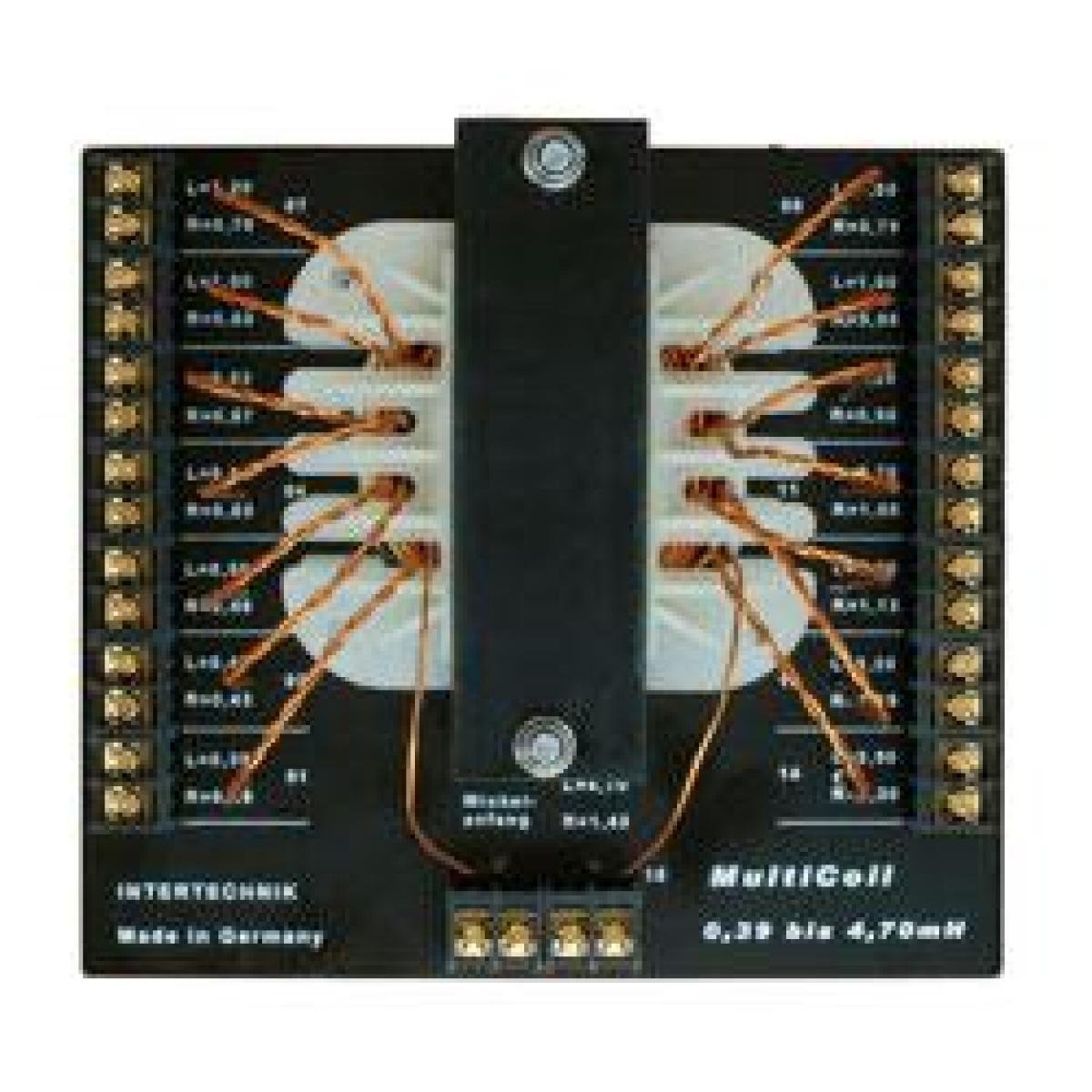
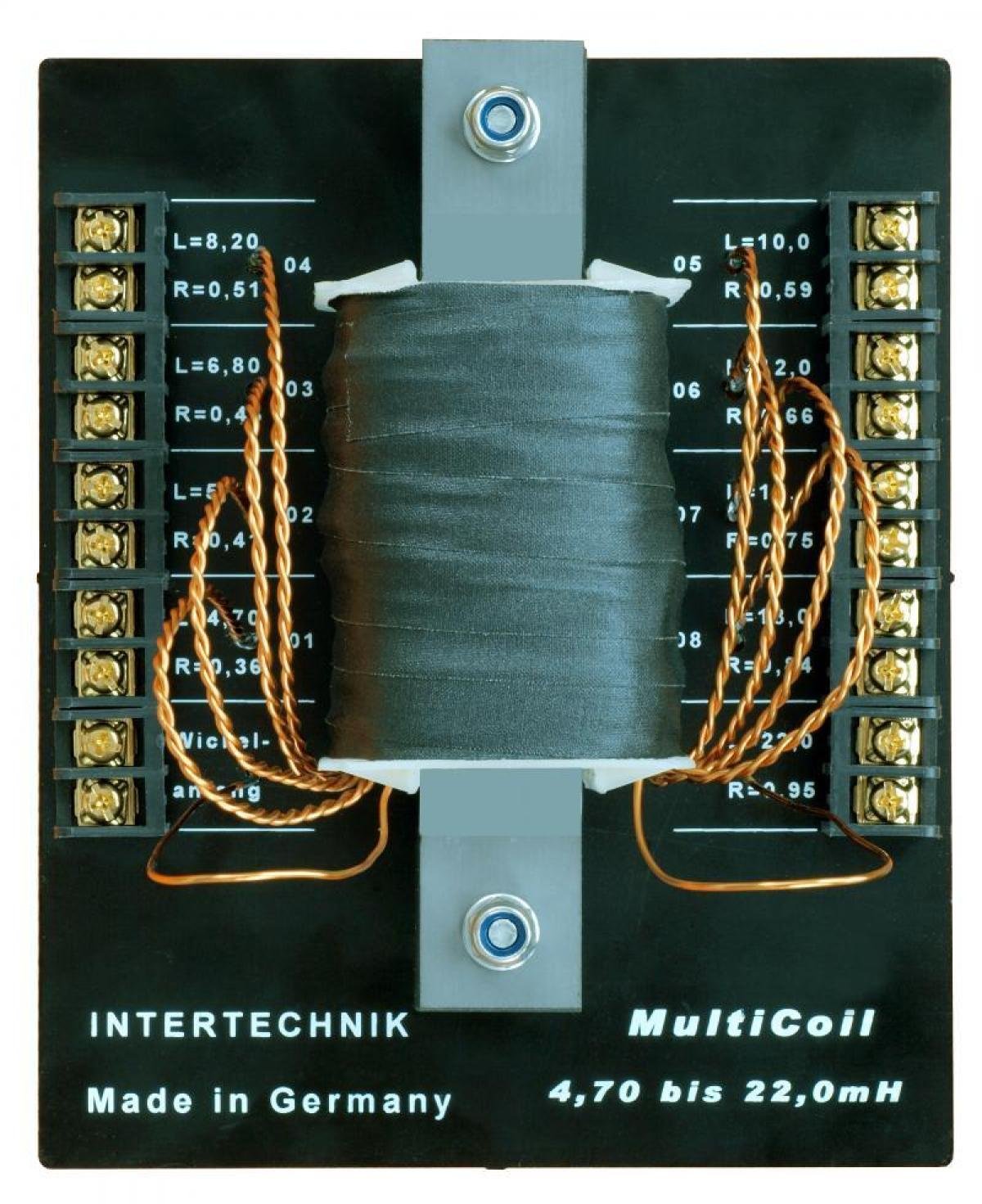
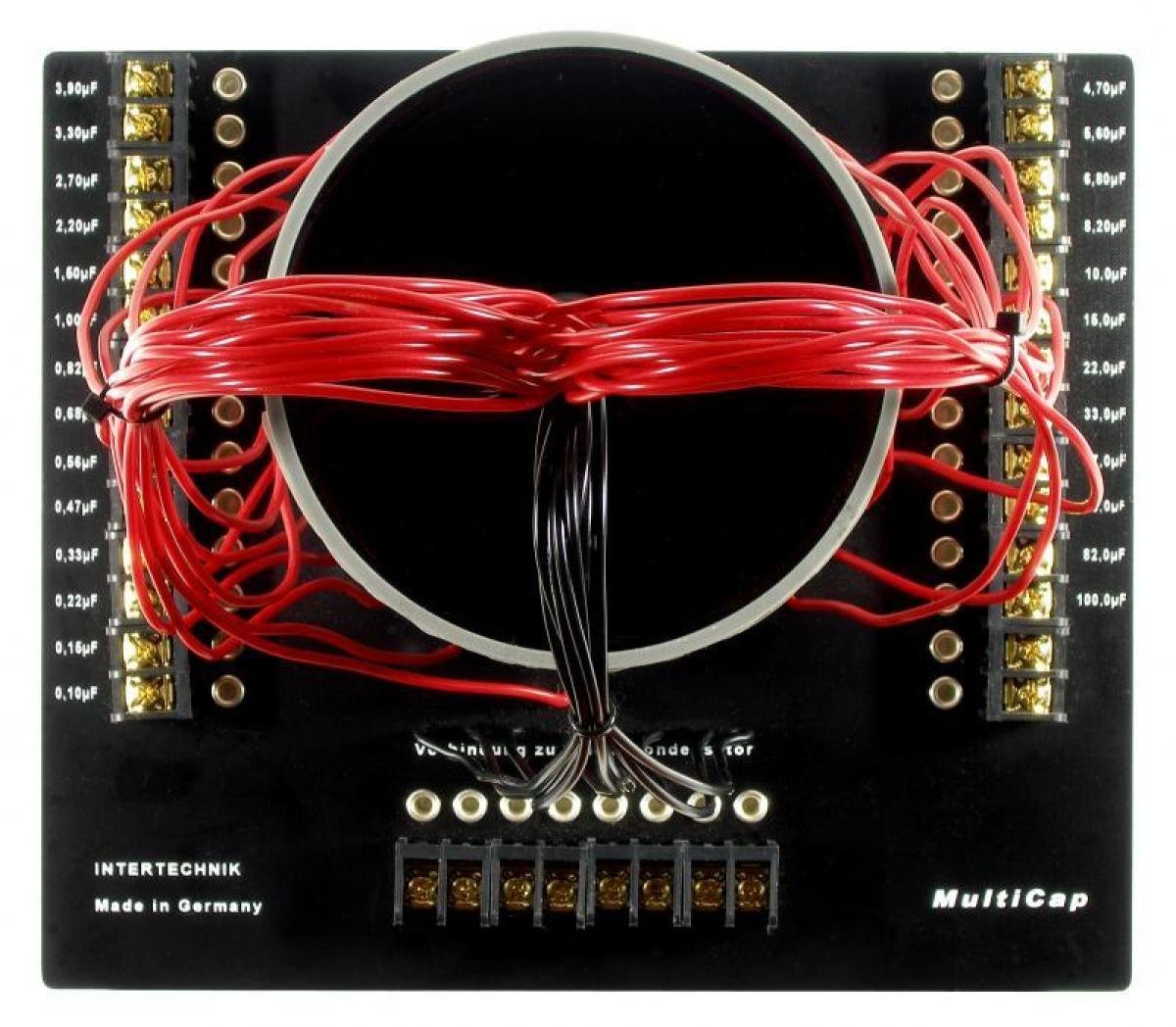
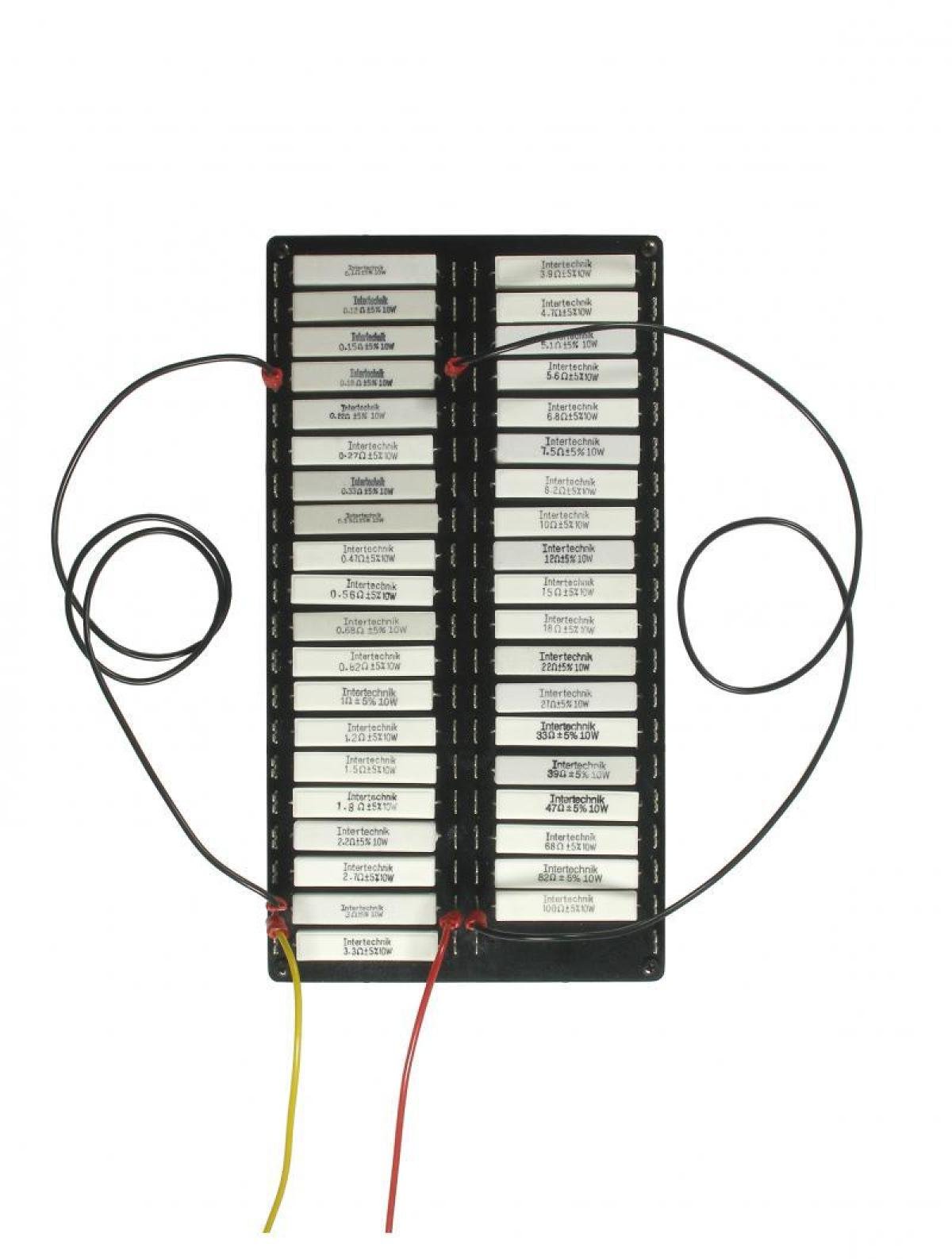
Crossover networks, housed within the broader category of measuring instruments, are essential tools for audio engineers and loudspeaker designers who demand precision in their crossover networks. These components allow for the accurate splitting of an audio signal into distinct frequency bands, ensuring that each driver in a multi-way speaker system receives only the frequencies it can handle most efficiently. Whether you are building a custom hi-fi loudspeaker, repairing a vintage cabinet, or developing a professional studio monitor, a reliable crossover network is indispensable for achieving coherent sound reproduction and protecting delicate tweeters from damaging low-frequency energy. Typical use cases include designing two-way or three-way passive crossovers, where the device separates the signal into low, mid, and high ranges. They are also employed in active speaker systems for precise bi-amping or tri-amping configurations, allowing for greater control over phase alignment and power distribution. Hobbyists and professionals alike rely on these units to fine-tune the acoustic performance of their projects. Technically, these devices from leading brands such as Intertechnik and Mundorf feature high-quality inductors, capacitors, and resistors with tight tolerances to minimise signal degradation. Many models offer selectable crossover frequencies, often ranging from 500 Hz to 5 kHz, and are built on robust printed circuit boards with gold-plated terminals for reliable connections. Their low insertion loss and high power handling capacity ensure that the audio signal remains pure and dynamic. In summary, crossover networks are a cornerstone of accurate loudspeaker design, providing the flexibility and performance needed to create systems that sound as good as they measure.
6 product(s) found
Read more: Crossover networks
Crossover networks, housed within the broader category of measuring instruments, are essential tools for audio engineers and loudspeaker designers who demand precision in their crossover networks. These components allow for the accurate splitting of an audio signal into distinct frequency bands, ensuring that each driver in a multi-way speaker system receives only the frequencies it can handle most efficiently. Whether you are building a custom hi-fi loudspeaker, repairing a vintage cabinet, or developing a professional studio monitor, a reliable crossover network is indispensable for achieving coherent sound reproduction and protecting delicate tweeters from damaging low-frequency energy. Typical use cases include designing two-way or three-way passive crossovers, where the device separates the signal into low, mid, and high ranges. They are also employed in active speaker systems for precise bi-amping or tri-amping configurations, allowing for greater control over phase alignment and power distribution. Hobbyists and professionals alike rely on these units to fine-tune the acoustic performance of their projects. Technically, these devices from leading brands such as Intertechnik and Mundorf feature high-quality inductors, capacitors, and resistors with tight tolerances to minimise signal degradation. Many models offer selectable crossover frequencies, often ranging from 500 Hz to 5 kHz, and are built on robust printed circuit boards with gold-plated terminals for reliable connections. Their low insertion loss and high power handling capacity ensure that the audio signal remains pure and dynamic. In summary, crossover networks are a cornerstone of accurate loudspeaker design, providing the flexibility and performance needed to create systems that sound as good as they measure.
Filters
Please choose which cookies you want to allow

These cookies are essential for the website to work, including login sessions, the shopping cart, and security.

Required

These cookies help us understand how visitors use the site. Data is anonymised.

These cookies are used for advertising and targeted content (e.g. Meta Pixel, Google Ads). They load only after you consent.